

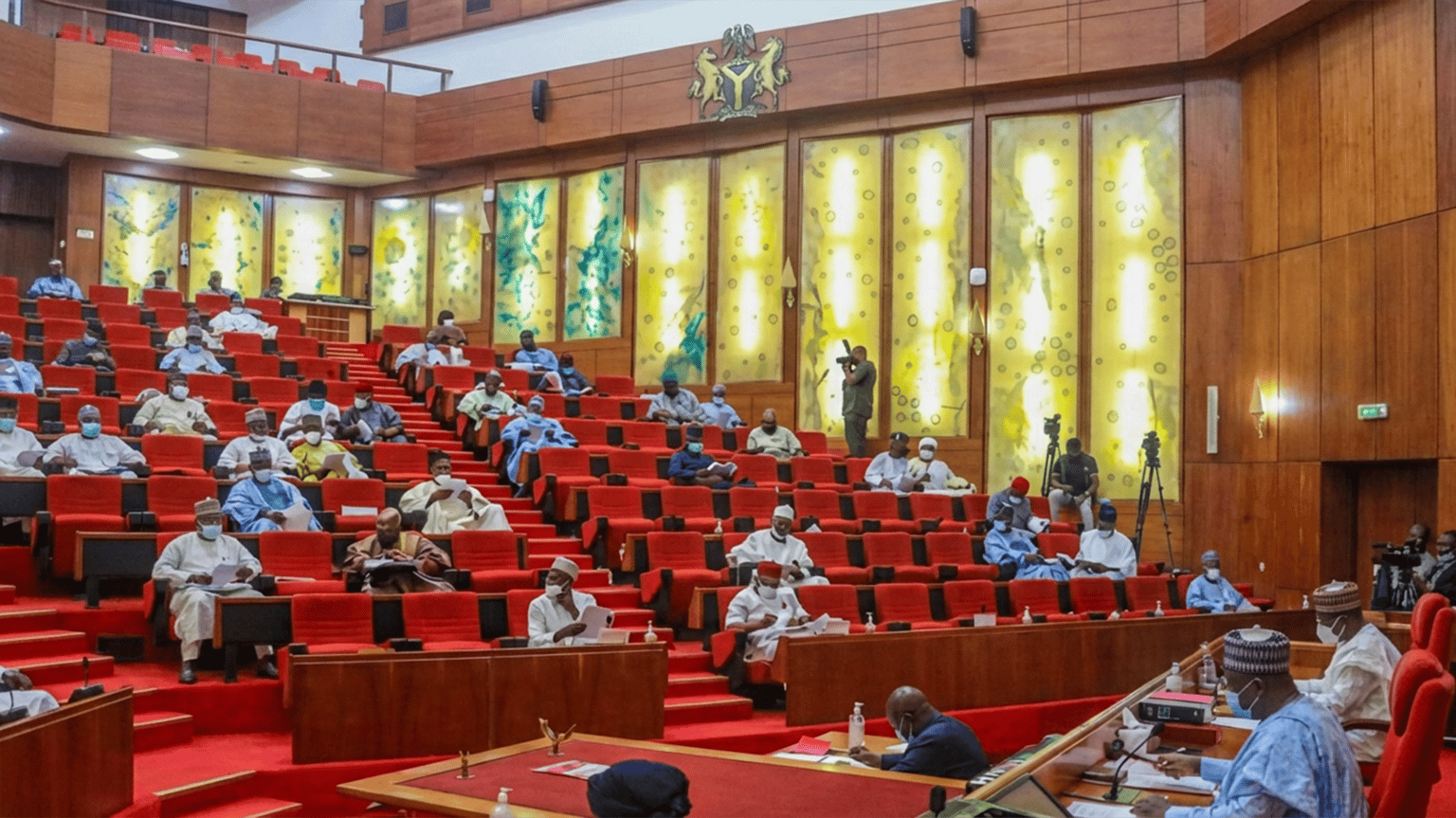
The Senate has thrown its weight behind far-reaching security reforms, including the establishment of state police, creation of a National Youth Stabilisation Fund, and the deployment of technology-driven intelligence systems, as part of renewed efforts to curb rising insecurity across the country.
The position is contained in an interim report of the Senate Ad hoc Committee on National Security, which followed extensive zonal public hearings held across Nigeria’s six geopolitical zones. The hearings, conducted between November 16 and 30, 2025, took place in Maiduguri, Enugu, Port Harcourt, Lagos, Jos and Kaduna, drawing inputs from security agencies, traditional rulers, civil society organisations and community leaders.
According to the committee, Nigeria’s security agencies are confronting sophisticated and evolving threats with outdated structures, weak coordination and limited operational flexibility. It identified poverty, youth unemployment, porous borders, illegal mining, drug abuse, intelligence gaps and governance failures as major drivers of insecurity nationwide.
Central to the committee’s recommendations is a call for a constitutional amendment to allow for the creation of state police. The panel argued that the current centralised policing system is overstretched and increasingly ineffective, noting that governors and local government chairmen—designated as chief security officers—lack operational control over security assets in their jurisdictions.
“The safety, dignity and protection of Nigerians should not be privileges reserved for the elite,” the report stated, stressing the urgency of decentralised and community-focused security structures.
Committee Chairman and Senate Leader, Senator Michael Opeyemi Bamidele, said the public hearings revealed a rare nationwide consensus on the need for urgent security reforms. He added that the committee’s findings would form the foundation for a National Security Summit scheduled for early 2026.
The report also proposed the establishment of a National Youth Stabilisation Fund to address unemployment and social dislocation among young people, which lawmakers described as a major recruitment pipeline for criminal groups. In addition, it recommended greater investment in modern surveillance tools, data-driven intelligence gathering and inter-agency coordination.
Meanwhile, the Deputy Spokesperson of the House of Representatives, Philip Agbese, reflected on key legislative challenges faced in 2025, describing the controversy surrounding alleged discrepancies in Nigeria’s newly gazetted tax laws as a major leadership test for Speaker of the House, Abbas Tajudeen.
Agbese said claims that the gazetted tax laws differed from versions passed by the National Assembly placed the 10th House under intense public scrutiny, but noted that the leadership’s response prevented the matter from escalating into a wider institutional crisis.
“The tax law issue was a serious test. It attracted public attention and could have destabilised the House. The leadership ensured it was handled within parliamentary rules and procedures,” Agbese said.
He also cited tensions over recruitment into the National Assembly Service Commission and deliberations on the declaration of emergency in Rivers State as other sensitive moments during the year, noting that all were addressed in line with constitutional provisions and the Standing Orders.
As Nigerians usher in the new year, Speaker Abbas Tajudeen, in a New Year message released through his Special Adviser on Media and Publicity, Musa Abdullahi Krishi, urged citizens to remain hopeful, resilient and united in 2026.
Abbas acknowledged that 2025 was challenging but said it also recorded notable progress in governance and security, as agencies intensified efforts to restore peace nationwide. He praised the resilience of Nigerians and called for continued cooperation across religious, regional and political lines.
Looking ahead, the Speaker reaffirmed the commitment of the National Assembly to passing people-centred laws that promote economic stability, inclusiveness, and improved security, in line with President Bola Tinubu’s Renewed Hope Agenda.





Leave a Reply