

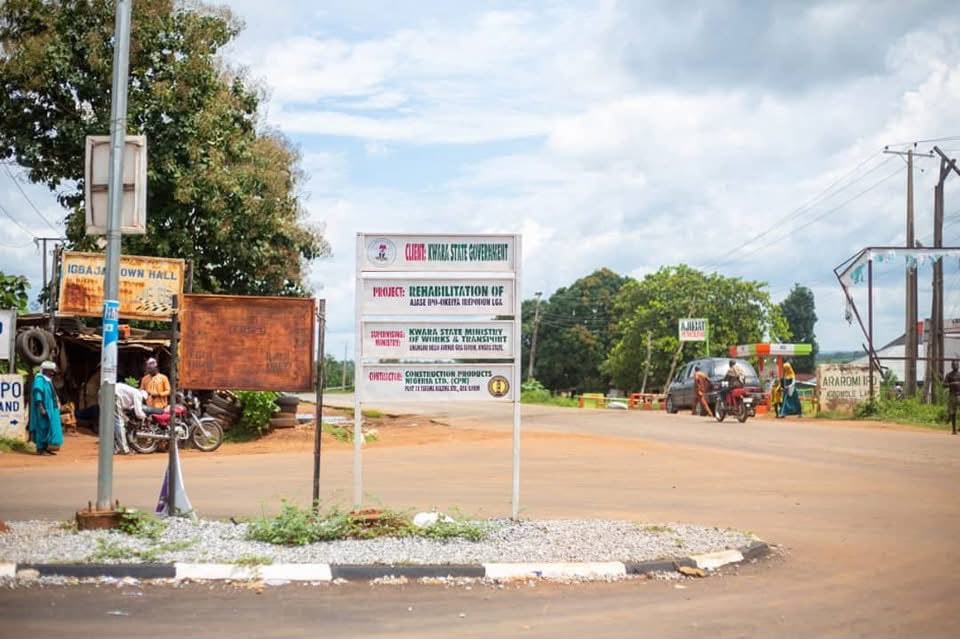
“True development is measured not by statistics, but by how quickly a farmer reaches the market and how fast a sick person reaches the hospital.”
— Governor AbdulRahman AbdulRazaq
Development is often measured by statistics such as gross domestic product, internally generated revenue, and investment figures. For ordinary citizens, however, development is far more practical. It is measured by how quickly a patient gets to a hospital, whether farmers can transport their produce to market before it spoils, and whether roads connect communities to opportunity rather than isolate them.
Infrastructure is more than concrete, steel, and asphalt. It is the foundation upon which economic growth and improved living standards are built.
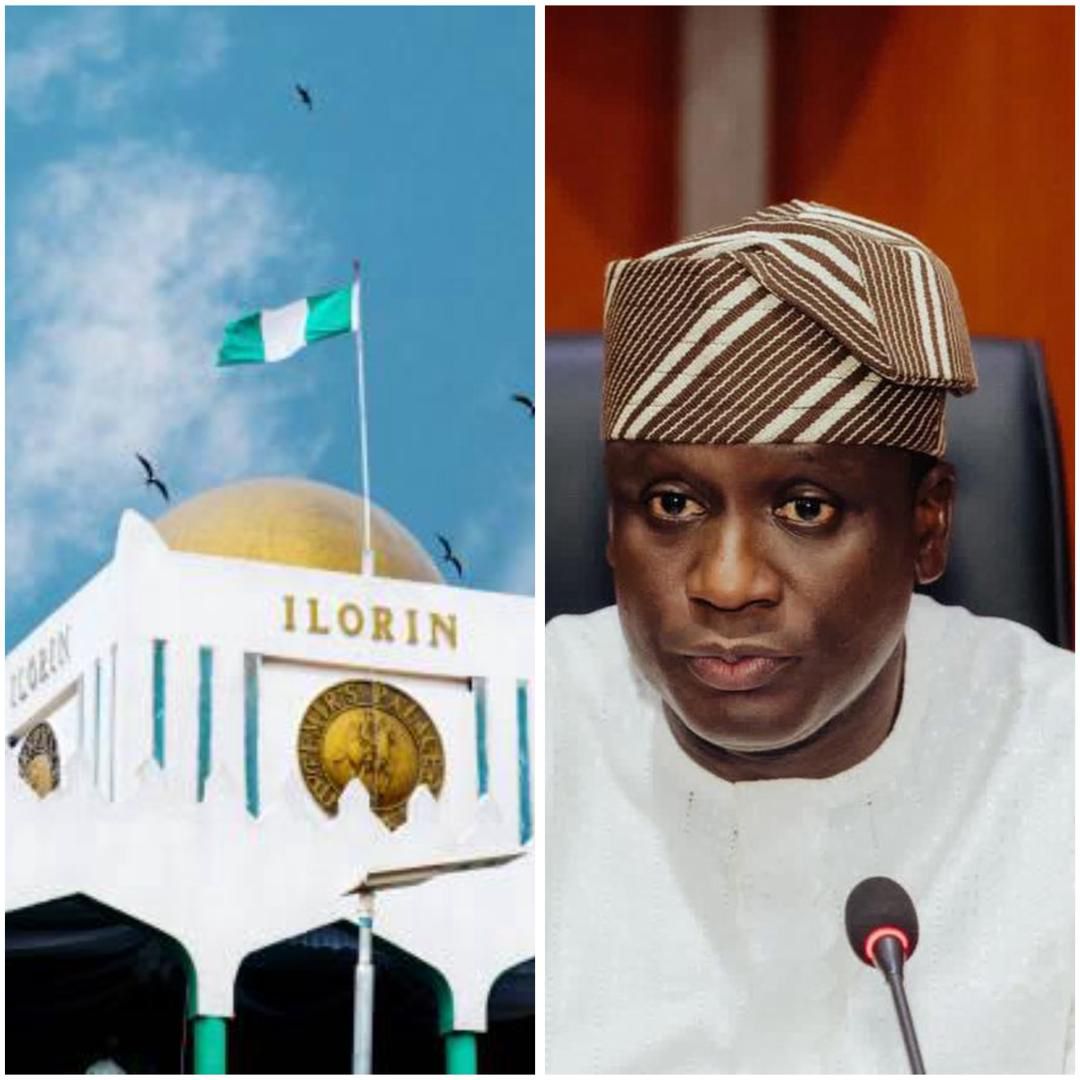
When Governor AbdulRahman AbdulRazaq assumed office in May 2019, Kwara State faced years of infrastructure deficit. Outside Ilorin, many communities struggled with poor road networks and limited economic opportunities, while increasing urbanisation had placed enormous pressure on the capital’s ageing transport infrastructure.
Seven years later, the picture has changed considerably. Through sustained investment in roads, bridges, public facilities, and other strategic infrastructure, the administration has embarked on one of the most ambitious renewal programmes in the state’s history.
The construction of the General Tunde Idiagbon Flyover along the Tanke-University of Ilorin axis and the Dr. Ibrahim Sulu-Gambari (Unity) Flyover addressed two of the city’s busiest traffic bottlenecks, while the dualisation of Wahab Folawiyo Road significantly improved traffic flow within the state capital.
Other major roads, including Ibrahim Taiwo Road, Sulu-Gambari Road, Oja-Oba Road, and the Yebumot-Adeta-Oloje corridor, have also been reconstructed. Across the state, the administration has completed 357.19 kilometres of roads and has another 234.99 kilometres under construction, bringing the total road infrastructure portfolio to 592.16 kilometres. More than 160 interlocking road projects, alongside numerous rehabilitation and maintenance works, have further improved accessibility in urban and residential communities.
Beyond the capital, the administration has placed considerable emphasis on rural connectivity, recognising that access roads are vital to agricultural productivity and rural development. The 33-kilometre Ilesha Baruba – Gwanara road in Baruten Local Government Area, for example, has connected previously isolated communities to markets and essential services, reducing travel time and improving cross-border trade.
Through the Rural Access and Agricultural Marketing Project (RAAMP), supported by the World Bank, the French Development Agency (AFD), and counterpart funding from the Kwara State Government, 209.77 kilometres of rural roads are under construction across the state. The project also includes three agro-logistics and international market hubs in Ajase-Ipo, Alapa, and Kaiama, designed to strengthen agricultural value chains, improve storage facilities, and expand market access for farmers. Kwara’s commitment to meeting its funding obligations earned it the World Bank’s Overall Best in Counterpart Funding Performance Award among the 19 participating states.
The administration has also leveraged partnerships with the Federal Government and the private sector to expand infrastructure beyond what state resources alone could finance. Through the Federal Road Infrastructure Tax Credit Scheme under Executive Order 007, strategic projects such as the Eiyenkorin-Afon-Ojoku-Offa Road, the Lafiagi-Shonga-Bacita Road, the Kaiama-Kosubosu Road, and the Gwanara-Bukuro Road are strengthening regional connectivity and facilitating commerce. Kwara is also set to benefit from the 1,068-kilometre Sokoto-Badagry Superhighway, with approximately 188 kilometres passing through the state, further reinforcing its role as a strategic gateway between northern and southern Nigeria.
The infrastructure agenda extends beyond roads. The Kwara Garment Factory has expanded local manufacturing, while the Ilorin Innovation Hub is nurturing technology and digital entrepreneurship. Investments in the Sugar Factory Film Studio and the Kwara Visual Arts Centre are laying the foundation for a stronger creative economy.
The administration has also invested in healthcare and education through the upgrade of General Hospital Ilorin into the Kwara State University Teaching Hospital (KWASUTH), the rehabilitation of public health facilities, and improvements to public schools across the state’s 16 local government areas. The rehabilitation of the historic Kwara Hotel and the construction of the Ilorin International Conference Centre are expected to strengthen tourism, conferences, and investment opportunities. The 70-metre Unity Flagpole, recognised as the tallest in West Africa, has also emerged as a new cultural and tourism landmark for the state.
Another less-publicised aspect of the administration’s infrastructure drive is public safety. Investments in the Kwara State Fire Service, including new firefighting equipment, operational upgrades, and improved emergency response capacity, enabled the service to respond to 568 distress calls between January 2022 and October 2025. During that period, it helped save an estimated ₦17 billion worth of property, demonstrating that infrastructure also includes the systems that protect lives and livelihoods.
Kwara has also positioned itself among the leading states embracing cleaner transportation. Through investments in compressed natural gas infrastructure, including a CNG conversion workshop, a gas station, CNG-powered buses and tricycles, and electric motorcycles, the state is promoting more affordable, sustainable, and environmentally friendly mobility.
As the administration enters the final stretch of its tenure, attention is shifting from construction to sustainability. Roads, bridges, and public facilities require consistent maintenance to preserve their value and maximise their economic impact.
Ultimately, AbdulRahman AbdulRazaq’s infrastructure programme is about more than the kilometres of roads completed. It reflects a deliberate effort to connect communities, stimulate enterprise, improve public services, and lay the physical foundation for a more competitive and prosperous Kwara State. Whether in the streets of Ilorin or the rural communities now linked by better roads, the impact of these investments is becoming increasingly evident.




Leave a Reply