

The political storm currently raging within the Kwara State chapter of the All Progressives Congress (APC) is no longer merely about who emerged from a primary election. It has evolved into a broader debate about succession, party unity, zoning, electoral strategy, and the future of the APC in one of its most symbolic states.
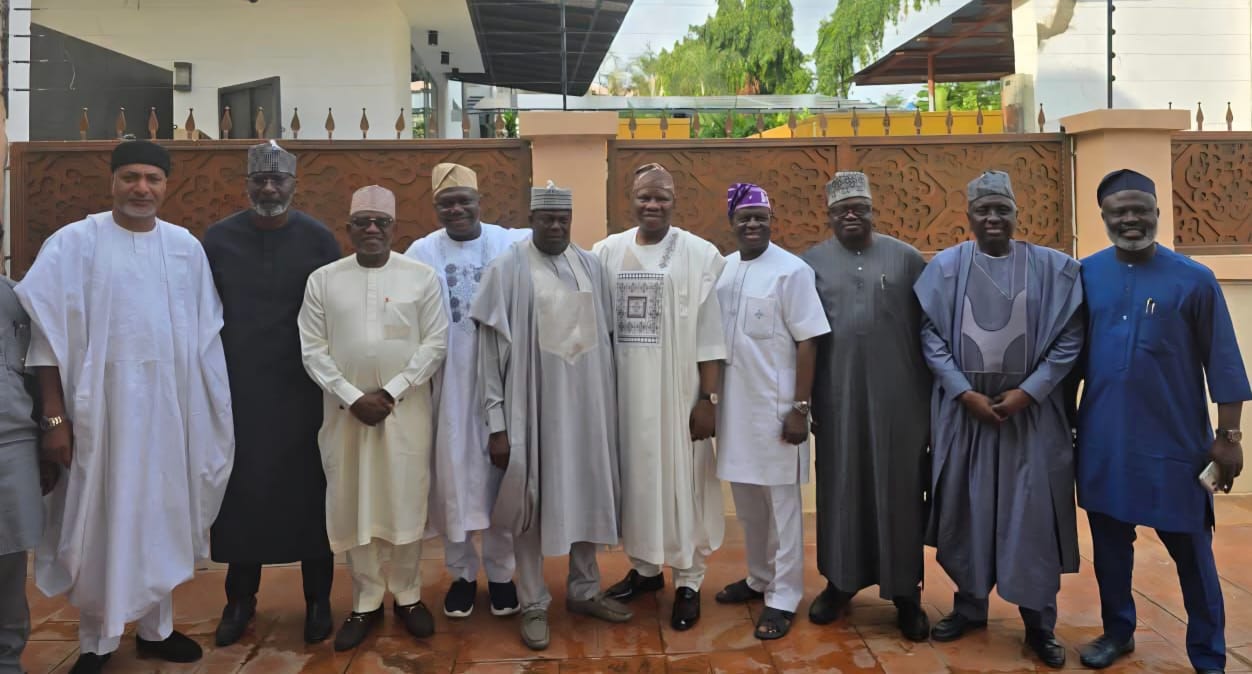
The emergence of Speaker Yakubu Salihu Danladi as the party’s governorship candidate was expected to settle the succession question and provide a rallying point for stakeholders. Instead, it has produced an unusual coalition of opposition from within the party itself. The decision of ten governorship aspirants to jointly challenge the outcome and seek intervention from President Bola Ahmed Tinubu underscores the depth of concerns among influential stakeholders.
For observers of Kwara politics, this is perhaps the most significant internal challenge facing the APC since the “O To Ge” movement dismantled the long-standing political establishment in 2019. The implication is clear: whoever eventually emerges as the consensus choice must possess not only political strength but also the capacity to unite diverse interests across the state’s three senatorial districts.
The real question before the APC leadership is not who has the loudest supporters or the strongest structure. Rather, it is who possesses the combination of acceptability, competence, political maturity, electoral appeal, and the ability to preserve the gains of the AbdulRahman AbdulRazaq administration while keeping the party united.
A Coalition of Heavyweights
The ten aspirants who have questioned the process are not political lightweights. They collectively represent decades of experience across governance, business, academia, law, community development, and party administration.
Among them are serving and former senators, former party chairmen, accomplished professionals, philanthropists, federal lawmakers, and grassroots mobilisers. Their collective dissatisfaction has transformed what might have been an ordinary post-primary disagreement into a major political conversation. Each aspirant brings distinct strengths to the table.
Senator Saliu Mustapha: The Political Powerhouse
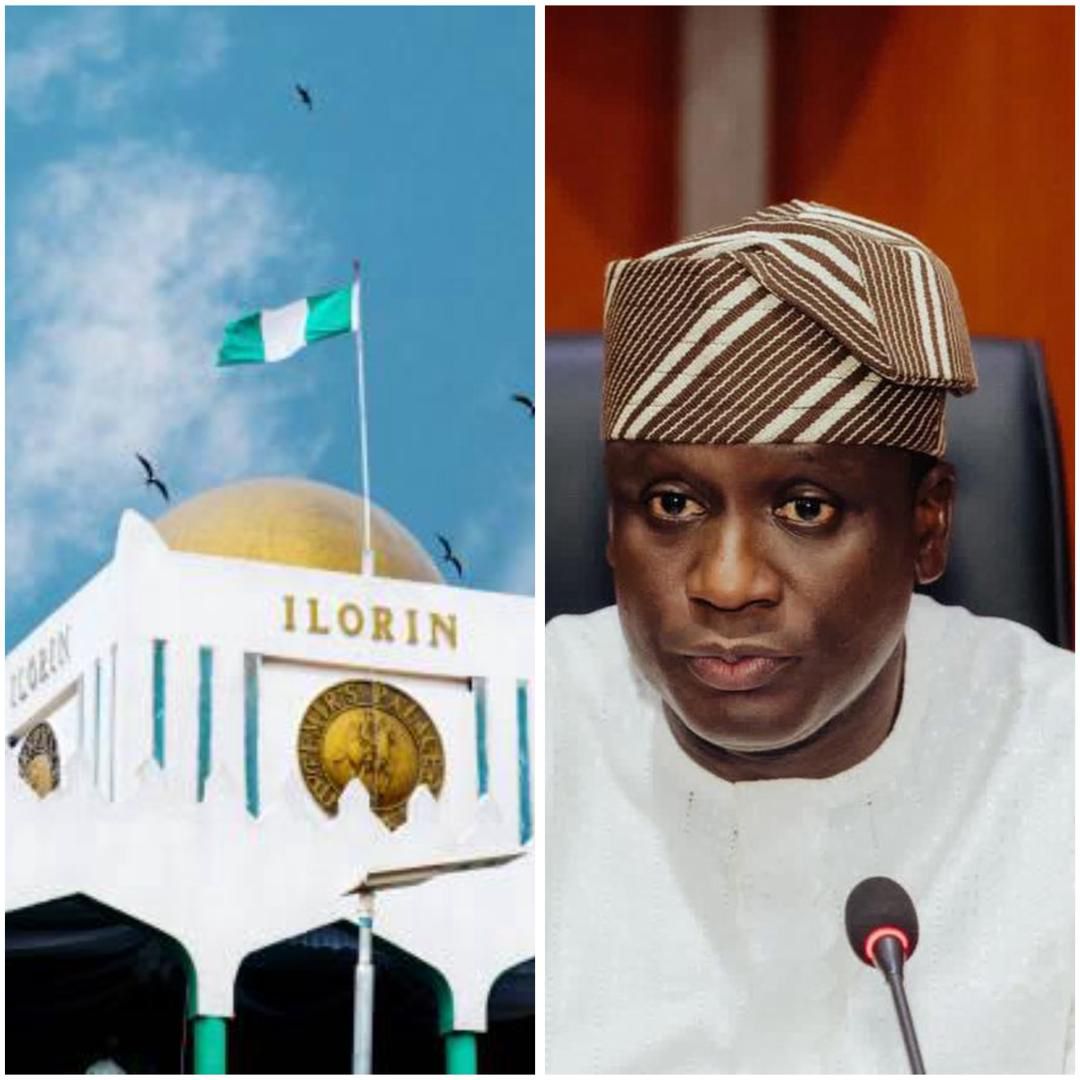
Among the contenders, Senator Saliu Mustapha remains one of the most politically formidable figures. His influence within Kwara Central, his role in national politics, and his current position in the Senate give him considerable visibility.
Mustapha commands significant grassroots loyalty and possesses the financial and organisational capacity required for a statewide campaign. Many political analysts believe he would be a strong electoral candidate.
However, his candidacy faces the challenge of zoning perceptions. With the incumbent governor coming from Kwara Central, convincing stakeholders to support another candidate from the same district may prove difficult. Furthermore, his widely perceived political differences with the current governor could complicate efforts at reconciliation. For President Tinubu, choosing a candidate seen as being in direct contest with the governor’s political camp may not necessarily be the easiest path toward party unity.
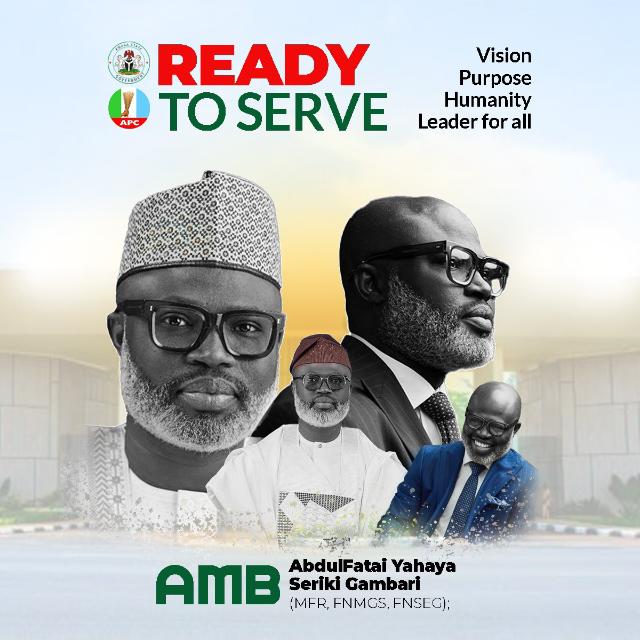
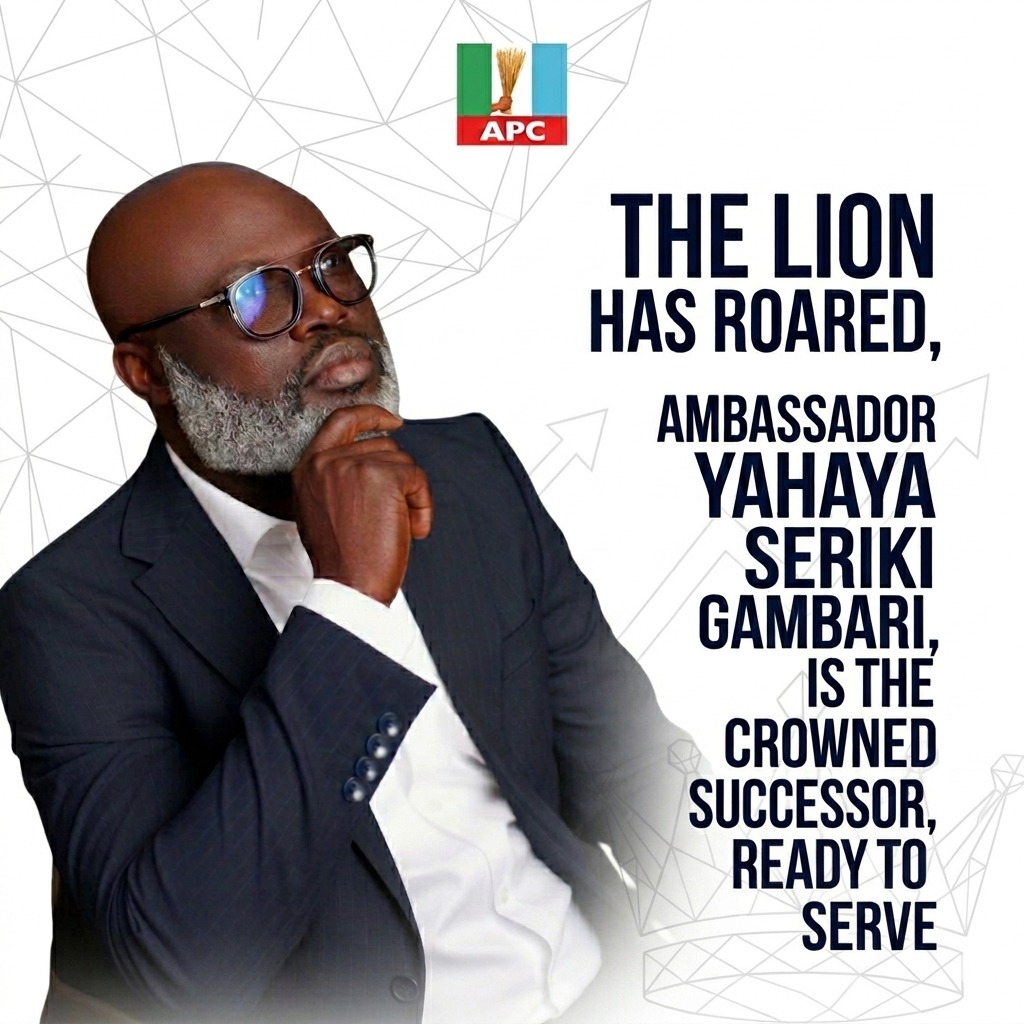
Ambassador Yahaya Seriki Gambari: The Bridge Builder
Before the emergence of Speaker Danladi, many observers believed Ambassador Yahaya Seriki Gambari was the leading contender. His philanthropic activities, business success, and extensive grassroots network earned him broad support.
Several aspirants reportedly aligned with him before the primary, making him one of the most acceptable figures across various blocs.
His greatest strength remains his ability to connect with both political elites and ordinary voters. Yet the circumstances surrounding the sudden withdrawal of support for his candidacy continue to generate political debate. Questions remain over how an aspirant reportedly considered the preferred choice of the governor could lose that position within a matter of hours. While no official explanation has been provided, political observers believe the episode may continue to shape perceptions about his viability going forward.
Bashir Omolaja Bolarinwa: The Party Man
Few politicians understand the APC’s internal dynamics in Kwara as deeply as Bashir Bolarinwa. His experience as former state chairman and his involvement in the “O To Ge” movement make him a respected figure within party circles.
Bolarinwa’s strength lies in his institutional knowledge and understanding of grassroots party structures. However, his perceived political disagreements with the current administration may affect his ability to emerge as a broadly acceptable consensus figure. In a season where reconciliation has become the overriding objective, candidates associated with existing political rivalries may face additional hurdles.
Senator Yahaya Oloriegbe: The Technocrat
Oloriegbe combines political experience with professional competence. His achievements in the health sector and his service in the Senate have established him as one of Kwara’s most accomplished public servants.
His appointment to a significant national role under President Tinubu further reinforces his standing and credibility.
However, his candidacy faces the challenge of zoning perceptions. With the incumbent governor coming from Kwara Central, convincing stakeholders to support another candidate from the same district may prove difficult. Yet, like many experienced politicians, his challenge may be converting respect and competence into broad political consensus among competing interests across the state’s political spectrum.
Dele Belgore (SAN): The Statesman
As one of Nigeria’s most respected legal minds, Dele Belgore brings intellectual depth, policy sophistication, and name recognition to the race.
His political journey has spanned multiple electoral cycles, giving him substantial experience and visibility.
However, previous electoral disappointments and shifting political alignments over the years may continue to influence perceptions regarding his ability to galvanise a winning coalition in the current political climate.
Omar Bio: The Grassroots Legislator
Omar Bio has built a reputation through legislative service and constituency engagement. His influence in Kwara North remains significant, particularly among grassroots supporters.
While respected within political circles, questions remain about whether his influence extends sufficiently across all three senatorial districts to position him as a statewide consensus candidate.
Tajudeen Audu: The Loyal Party Veteran
Tajudeen Audu represents consistency, loyalty, and long-standing commitment to the APC. His deep roots in Kwara North and strong relationship with traditional institutions have earned him widespread respect.
His challenge, however, is similar to that faced by several aspirants from the North: distinguishing himself in a crowded field of influential contenders from the same zone.
Captain Ahmad Mahmud: The Youth-Oriented Aspirant
Captain Ahmad Mahmud brings a unique blend of a pilot discipline and youth appeal. His emphasis on grassroots mobilisation has resonated with younger voters seeking fresh leadership. He was a former Chief Pilot at United Nigeria Airlines.
While his profile continues to grow, many observers believe he may require additional time to build the statewide structures necessary for a successful governorship campaign.
Oluwatoyin Alabi: The Entrepreneurial Reformer
Alabi’s appeal stems largely from his private-sector achievements and his message of transparent governance. He is the President/CEO; Integrated Catering Company Ltd (The Promise Fast Food) and Founder; Family Life Care Foundation.
He represents the growing demand for leadership that is less tied to traditional political establishments. Nevertheless, the realities of Kwara’s political environment often favour candidates with more extensive electoral experience and broader political networks.
Dr. Azeez Salako: The Grassroots Champion
Amid the prominence of senators, former party chairmen, business moguls, and legal luminaries, Dr. Azeez Salako is increasingly attracting attention as a potential consensus candidate capable of bridging the divisions within the APC.
Unlike some aspirants whose political identities are linked to particular factions, Salako’s influence is rooted in over four decades of philanthropy, grassroots mobilisation, community development, and social intervention across Kwara State. His leadership roles as Pro-Chancellor of Edusoko University and Global President of the Offa Descendants Union have further strengthened his reputation as a bridge-builder and community leader.
His growing acceptability is reflected in endorsements from the Aro Meta Development Association and various stakeholder groups in Kwara North. Despite hailing from Kwara South, Salako has cultivated enduring business, cultural, and social relationships within the Nupe Kingdom spanning more than four decades. His understanding of Nupe culture, familiarity with the economic realities of Kwara North, and ability to communicate fluently in the Nupe language have earned him uncommon acceptance across the region.
Why Consensus May Matter More Than Structures
If the Presidency opts to pick its preferred candidate from either Kwara North or Kwara South in order to ease the prevailing electoral tensions in the state, the consensus options may narrow down to Oluwatoyin Alabi and Dr. Azeez Salako from Kwara South, and Tajudeen Audu and Omar Bio from Kwara North. Their perceived fairness, non-partisan disposition, ability to work harmoniously with the Governor, and broader acceptability among party stakeholders and the electorate make them strong consensus contenders.
History shows that governorship elections are not always won by the candidate with the largest structure. They are often won by the candidate capable of bringing together the broadest coalition.
This is particularly true in a state like Kwara, where political victories have traditionally depended on alliances across senatorial districts, ethnic groups, and political interests.
The current crisis suggests that the APC’s greatest challenge is not defeating the opposition but managing internal disagreements.
In such circumstances, a candidate perceived as fair, competent, grassroots-oriented, and broadly acceptable may ultimately be more valuable than one who commands a powerful but divisive political structure.
The President’s Calculation
If President Tinubu eventually becomes involved in resolving the impasse, his decision will likely be guided by one overriding consideration: retaining Kwara for the APC.
That objective requires a candidate who can attract support beyond his immediate base, reconcile aggrieved stakeholders, preserve harmony with the governor, and present a compelling vision for the future.
Several of the aspirants possess impressive credentials and substantial political capital. Yet as the succession debate continues, the conversation is increasingly shifting from who is strongest politically to who is most acceptable politically.
As events continue to unfold, the APC must decide whether it wants a candidate who can simply win a primary or one who can unite a party, win an election, and govern effectively. The answer to that question may ultimately determine the future of Kwara politics beyond 2027.
Abdulkadir Shao, a political scientist, writes from Malete, Moro Local Government Area of Kwara State.



Leave a Reply