

Politics is ultimately a test of conviction. Every politician will, at some point, face a choice between personal ambition and collective progress. How that choice is made often defines both character and legacy.
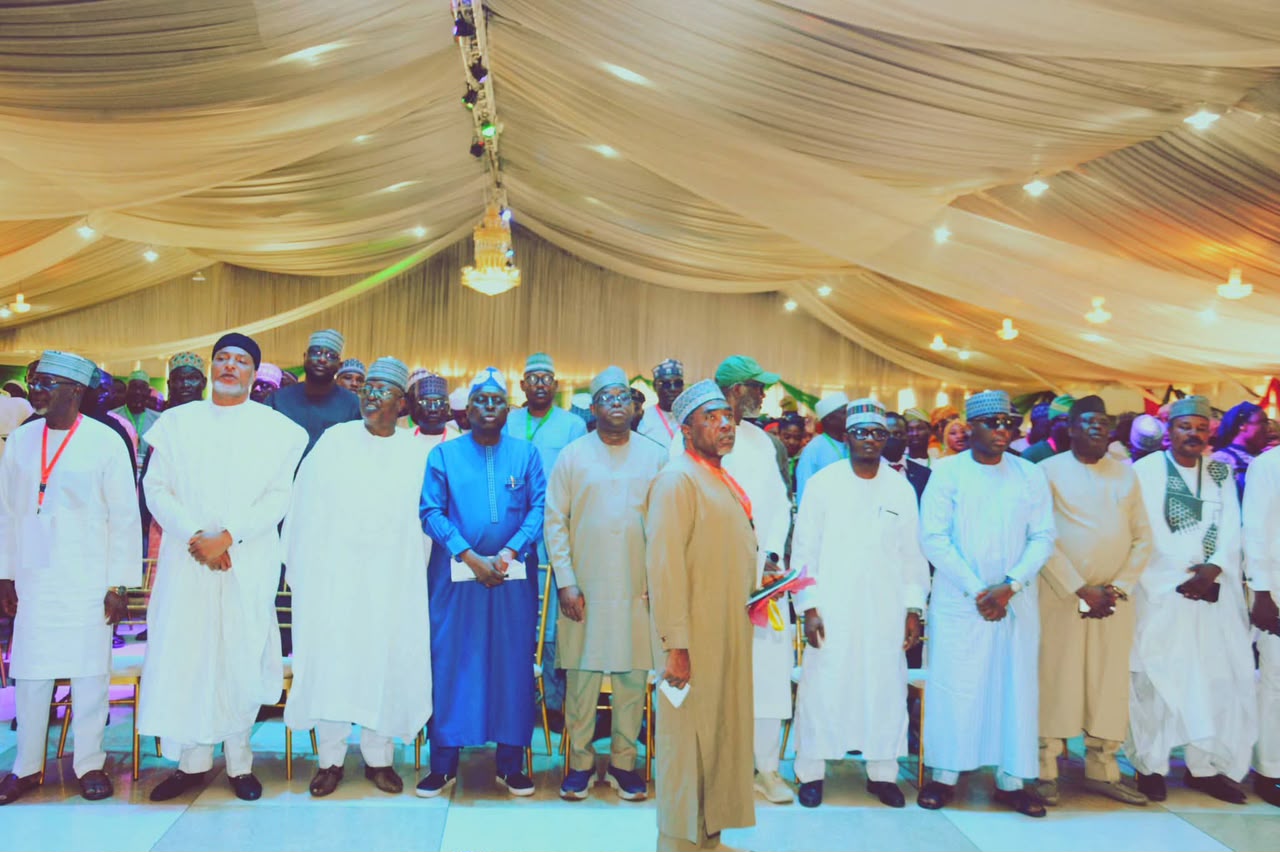
The recent decision by the G15 bloc to convene a town hall meeting where they endorsed the re-election of President Bola Ahmed Tinubu while rejecting other candidates of the All Progressives Congress (APC) in Kwara State raises serious questions about consistency, loyalty, and political sincerity. For individuals who once presented themselves as progressive leaders, the contradiction is glaring. Their posture is not only confusing but also an affront to the intelligence of genuine OTOGEE crusaders who sacrificed to free Kwara from years of political domination.
At its core, this movement appears less about principle and more about personal disappointment. Their dissatisfaction became visible only after the outcome of the APC primaries failed to favour them or their preferred candidates. This naturally raises an important question: is this campaign driven by ideology or by wounded political ambition?
The opposition People’s Democratic Party (PDP) continues to market itself as an alternative capable of rescuing Kwara. Yet many Kwarans remember the era the OTOGEE movement sought to replace. It is therefore difficult to separate today’s political realignments from attempts by old political interests to regain relevance through new alliances.
Political observers have also continued to speculate about growing links between elements of the G15 and former Senate President Bukola Saraki following the failure of attempts to destabilise the APC from within. Whether those reports are accurate or not, such speculation reflects the perception that political convenience, rather than conviction, is driving recent events.
Equally noteworthy is the role of Senator Saliu Mustapha during the APC presidential primaries in 2022, where he served as Director-General of Rotimi Amaechi’s presidential campaign. Supporting a preferred aspirant in a primary election is legitimate in any democracy. However, it is difficult to reconcile today’s calls for unquestioning party unity with the confrontational political strategies adopted by some of the same actors in the past. Such inconsistencies inevitably invite scrutiny.
Many of the loudest voices within the G15 once defended every decision of the APC, campaigned vigorously for its candidates, and identified themselves with the party’s leadership. Today, their tune has changed dramatically. The timing of that transformation makes it difficult to ignore the connection between their current grievances and the outcomes of the party primaries.
The APC has made its choice. Rt. Hon. Yakubu Salihu Danladi emerged as the party’s governorship candidate through its established democratic process. Whether one supported him or not during the contest, the decision has been made. The focus should now be on strengthening party cohesion rather than pursuing agendas rooted in personal disappointment. His candidacy represents an opportunity to build on the developmental strides of Governor AbdulRahman AbdulRazaq and sustain the administration’s vision for Kwara.
As Kwara moves towards 2027, the political contest will undoubtedly be competitive. Governor AbdulRahman AbdulRazaq himself has acknowledged that the journey ahead will not be easy. Yet history has shown that parties overcome internal disagreements when members place collective interest above individual ambition. Ultimately, Kwarans will judge every political actor not by the intensity of their rhetoric, but by the consistency of their convictions and their commitment to the state’s progress.
- Salahudeen Olokoba write from Ilorin, Kwara state capital



Leave a Reply